 AvowedRealm
As 2025 unfolds, the RPG landscape presents a fascinating dichotomy with the releases of Obsidian's Avowed and BioWare's Dragon Age: The Veilguard. Both titles represent long-awaited entries in beloved fantasy series, yet their philosophical approaches to the genre have sparked significant debate among players. While The Veilguard aggressively pursues a modern, action-oriented identity, Avowed confidently embraces a more traditional, roleplay-centric design that many argue recaptures the soul of classic western RPGs. This divergence in vision raises a pivotal question: in the quest for relevance, has one series lost sight of what made its predecessors special, while the other has wisely doubled down on its core strengths?
A Roleplaying Game That Lets You Roleplay?!
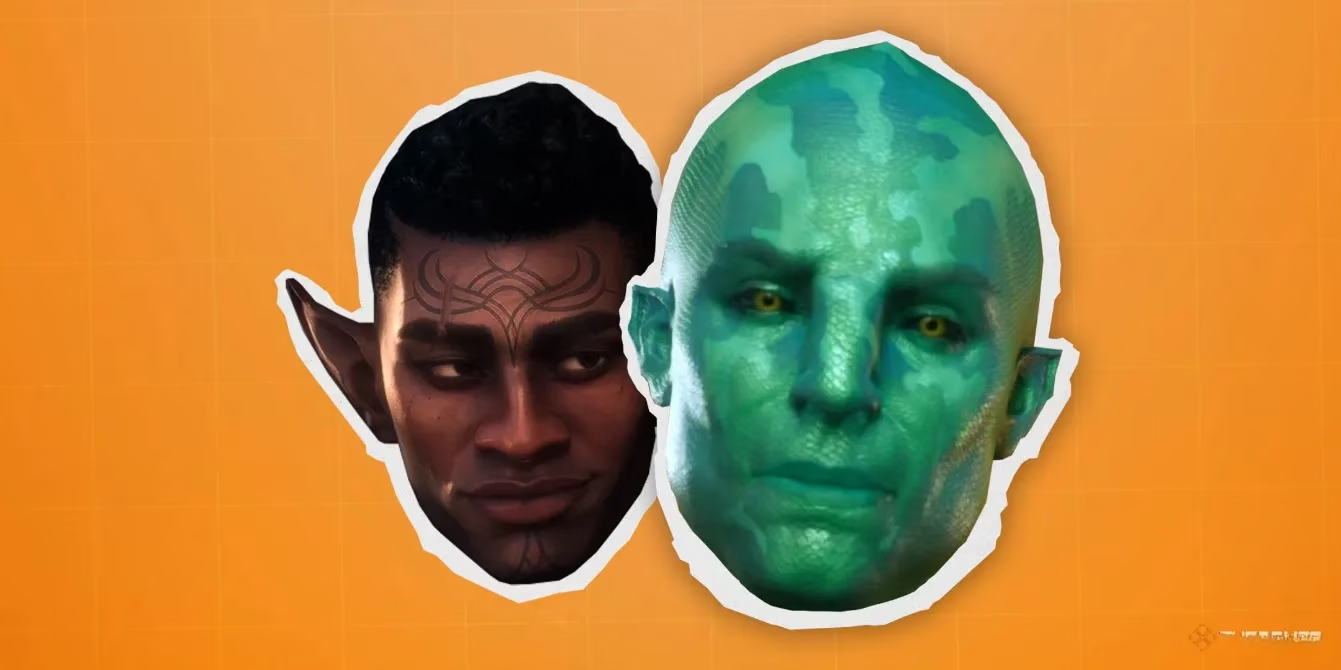
The most glaring difference between the two titles lies in their handling of player agency and character identity. Dragon Age: The Veilguard's primary weakness wasn't its shift to action combat—a direction the series had been trending toward for years—but rather its severe dilution of meaningful roleplaying elements. Players found themselves dropped into Thedas, yet the narrative largely ignored the weight of past choices, creating a disconnect that made a fresh start seem more honest. Furthermore, the writing was criticized for being "toothless and uninteresting," constraining the player character to variations of niceness without the option to be genuinely abrasive, cunning, or morally grey—a staple of earlier Dragon Age and Mass Effect titles.
In stark contrast, Avowed excels precisely where The Veilguard stumbles. Instead of awkwardly integrating continuity from Pillars of Eternity 2: Deadfire, it smartly positions itself as a spin-off within the same rich world. This allows it to reference established lore and characters without being burdened by past save files. More importantly, Avowed delivers robust roleplaying through its dialogue and character creation. The game offers:
-
🗣️ Nuanced dialogue options that allow for distinct personality expression.
-
📖 Meaningful backstory choices that shape how your character perceives and interacts with the world.
-
🎭 The freedom to be kind, annoying, mean, or pragmatic, making your protagonist feel uniquely yours.
While the consequences of choices may not ripple across the entire game world, the strength of the writing and the authenticity of the roleplaying moment-to-moment create a character that feels "unique and alive." Isn't that the fundamental promise of a roleplaying game?
Dated, But In A Good Way
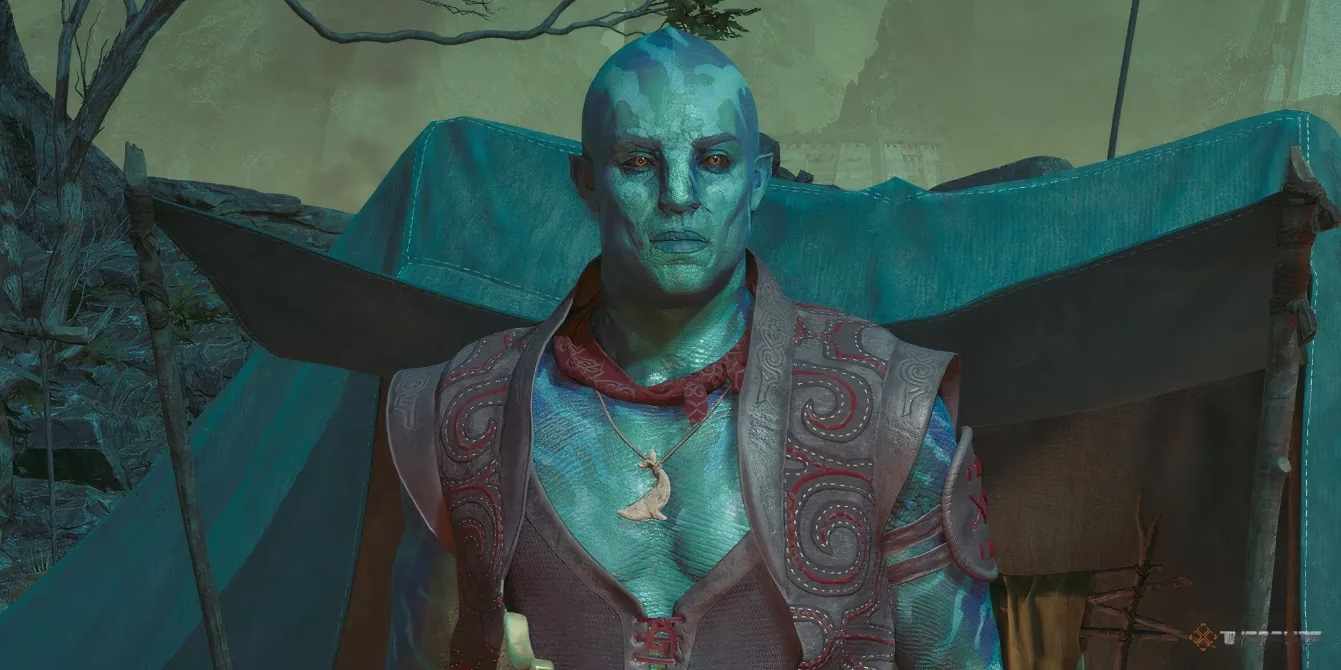
Another area where Avowed finds its strength is in its deliberate, almost nostalgic, design philosophy. The game masterfully evokes the feeling of a modernized classic—think "Skyrim but better"—in its exploration and quest design. It doesn't rely on technological gimmicks or chasing the latest industry trend; instead, it focuses on delivering a polished, cohesive single-player narrative experience within thoughtfully crafted open zones. This "dated" feel is a feature, not a bug. It highlights the timeless appeal of a well-told story, interesting companions, and a world that feels rewarding to explore.
Dragon Age: The Veilguard, however, represents the culmination of BioWare's long-standing effort to keep the series "evolving." This pursuit of relevance has led to a significant transformation:
| Evolution Point | Dragon Age Trajectory | Result in The Veilguard |
|---|---|---|
| Combat | Tactical → Real-Time Action | Fast-paced, ability-focused action combat. |
| World Design | Constrained Maps → Open World | Massive zones often filled with generic fetch quests. |
| Business Model | Single-Player → Live-Service (Scrapped) | Remnants of a scrapped multiplayer/GAAS design. |
The irony is profound. Both games reportedly had similar developmental pivots. Avowed was initially conceived as an "Destiny meets Skyrim" multiplayer experience before being scaled back to Obsidian's narrative strengths. The Veilguard underwent a similar shift away from live-service elements post-Anthem. Yet, the outcomes are vastly different. The Veilguard often feels caught between its action-RPG present and its tactical-RPG past, trying to please everyone and sometimes satisfying no one. Avowed unapologetically commits to being a great single-player RPG, and that focused confidence is palpable.
The Magic of a Well-Made Wheel
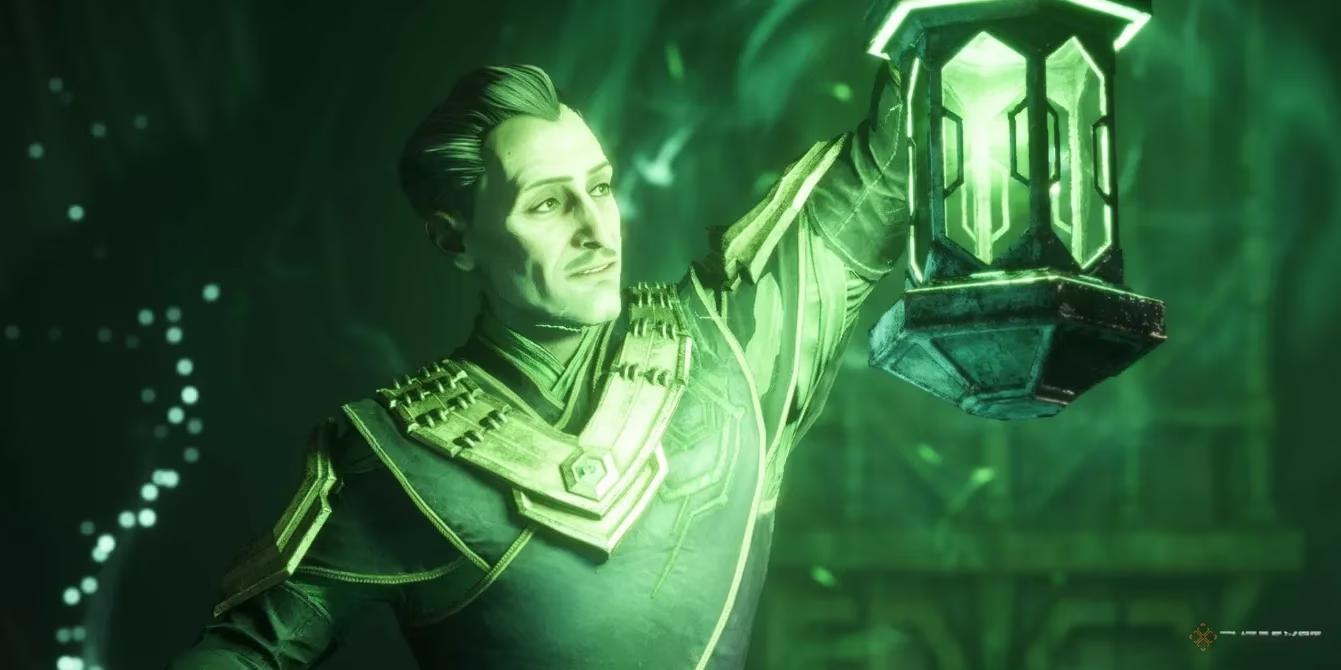
Ultimately, the core appeal of Avowed in 2025 is its refusal to reinvent the wheel. In an era where many AAA games are obsessed with scale, graphical fidelity, and endless content, Avowed offers a refined, concentrated experience. It understands that players don't always need a revolutionary new system; sometimes, they just want a "damn good wheel"—a solid, enjoyable RPG with strong writing, fun combat, and genuine roleplaying.
The Veilguard and Avowed are indeed two sides of the same coin: both are fantasy RPG sequels released in the same year, both underwent significant design changes, and both have passionate fanbases. One side of that coin (The Veilguard) is shinier, louder, and desperate to prove it's still contemporary. The other side (Avowed) is less concerned with flash, offering instead a deeper, more resonant engraving of what makes roleplaying games timeless. For players yearning for an experience that prioritizes character, choice, and classic adventure over trend-chasing spectacle, the choice in 2025 seems increasingly clear. The lesson here is simple—chasing the "shiny new thing" often means leaving the soul of your series behind, while perfecting the fundamentals can lead to a more fulfilling and authentic experience.
Comments