 AvowedRealm
In the ever-evolving landscape of video game development, the journey from concept to release is rarely a straight line. For Obsidian Entertainment's 2025 action RPG Avowed, this path was more akin to a treacherous mountain climb, marked by two dramatic reboots and a complete creative pivot. The game, which finally launched to a generally positive critical reception, stands as a testament to the resilience of a development team navigating what director Carrie Patel described as "significant challenges." How did a project once pitched as a cross between Destiny and Skyrim transform into the focused, lore-rich experience players enjoy today?
A Vision Transformed: The Two Reboots of Avowed
According to Patel's revealing 2025 interview, Avowed's initial 2018 vision was vastly different from the final product. The original pitch promised a sprawling, fully open-world environment with integrated multiplayer elements—a bold but daunting ambition. By the time of the game's first public reveal in 2020, however, development was already in dire straits. The scope was proving unmanageable, leading to the project's first major reboot. Yet, even this reset wasn't enough. In January 2021, Obsidian made the critical decision to reboot Avowed for a second time, this time placing the project under the leadership of Carrie Patel. This pivotal moment marked the true turning point, steering the game away from its initial, overly ambitious template.
The Strategic Pivot: Embracing Obsidian's Strengths
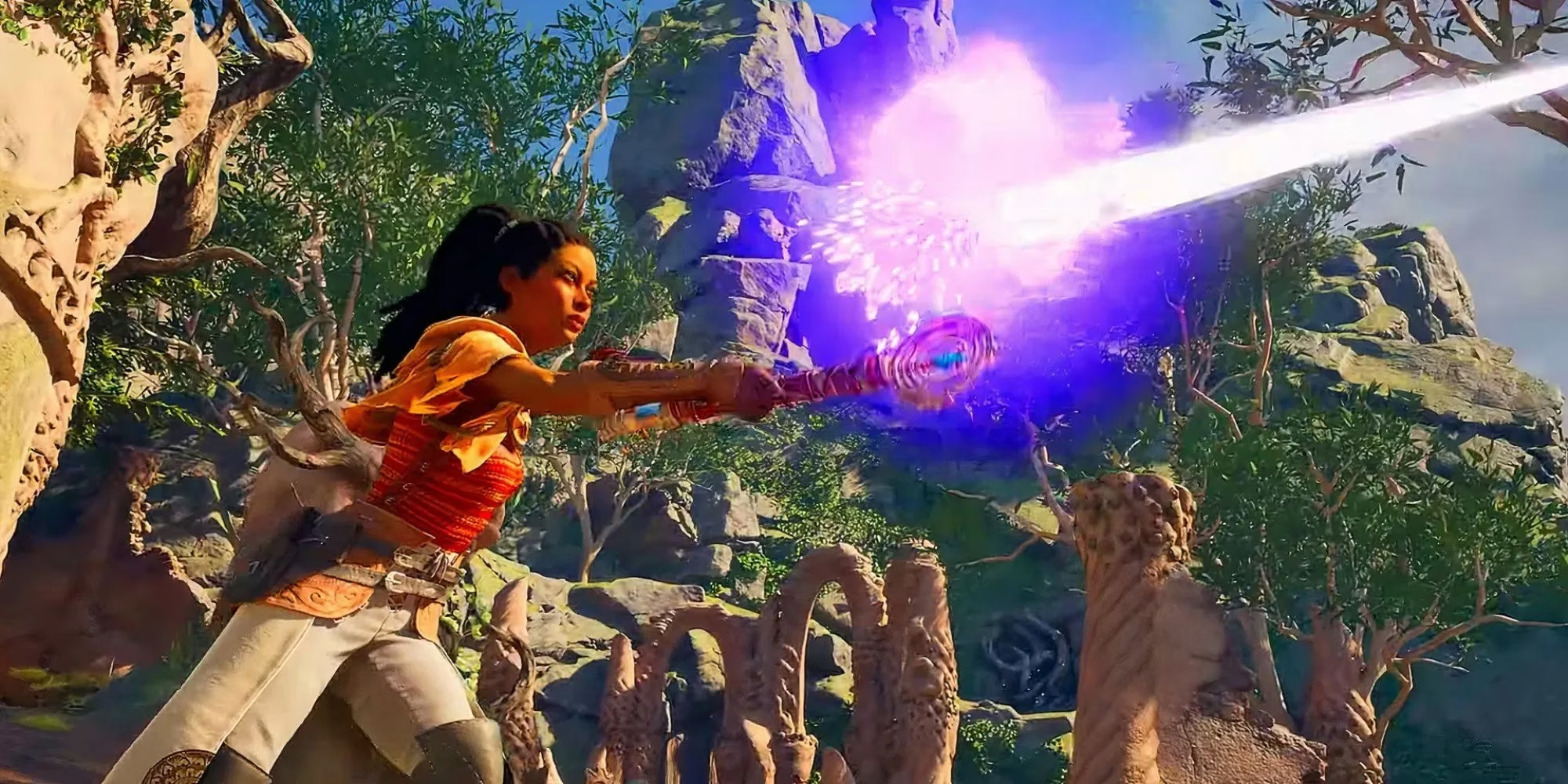
Under Patel's direction, the team made two fundamental and courageous decisions that defined Avowed's new identity. First, they abandoned the original vision of a single, seamless open world. Instead, they opted for a structure of separate, handcrafted open areas. This allowed for more concentrated detail and narrative pacing. Second, and perhaps most crucially, they doubled down on the deep lore of Eora, the world established in Obsidian's beloved Pillars of Eternity series. This shift refocused the game on the studio's core strengths: rich storytelling, compelling world-building, and intricate RPG systems, moving away from the live-service multiplayer model it was initially chasing.
Was the Struggle Worth It? The Critical and Commercial Verdict
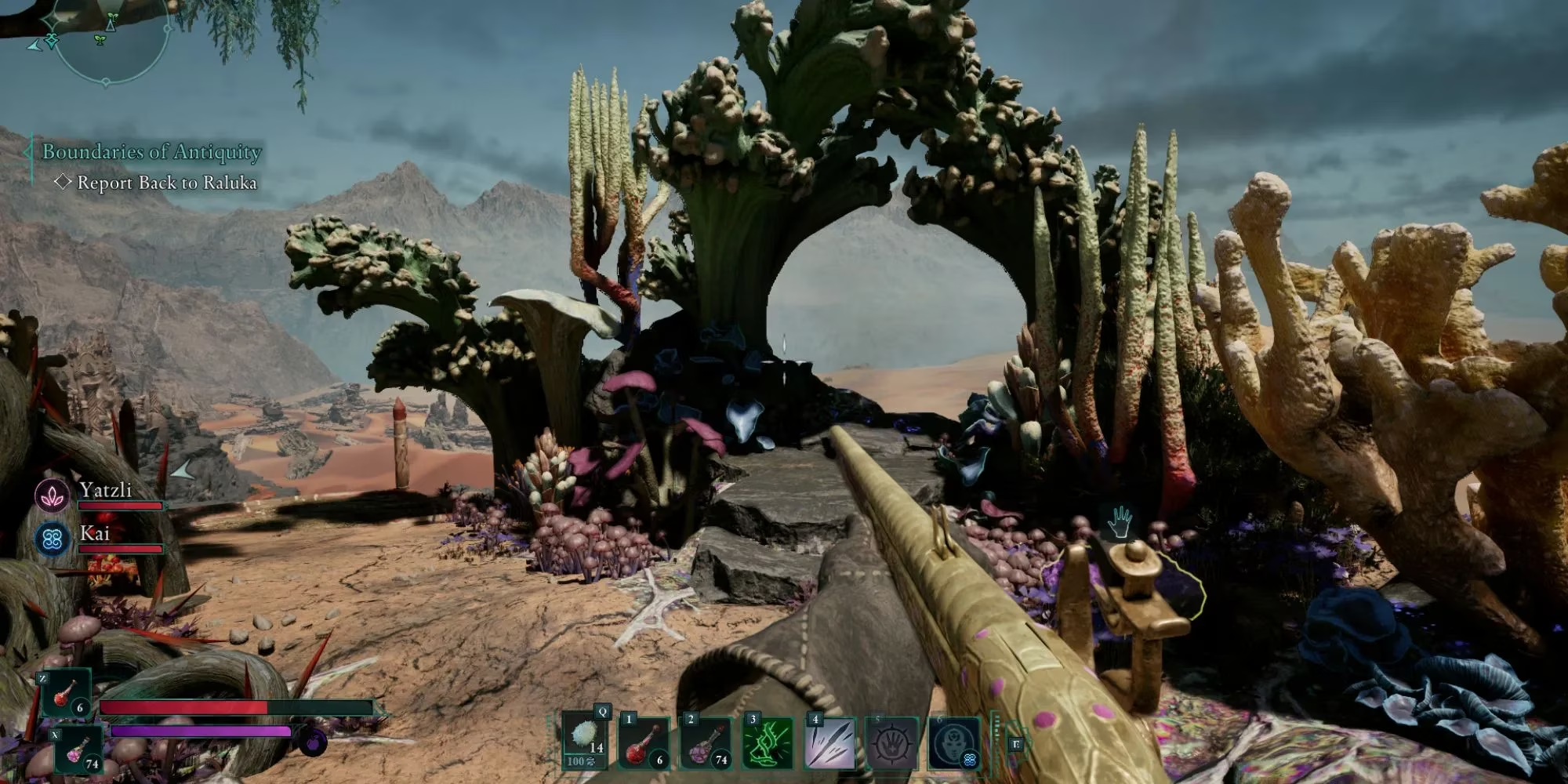
By its February 2025 release, the question on everyone's mind was whether the arduous development had paid off. The critical response suggested a resounding, if not unanimous, yes. Reviews praised the game's focused design, with many critics, including Kyle Gratton from Screen Rant who awarded it a 9/10, arguing that skipping a full open world was a benefit. The strong connection to Pillars of Eternity lore was frequently highlighted as a major strength. However, the game was not without its detractors; some criticized aspects of the writing and a perceived lack of innovation. Commercially, the picture was nuanced. While not a record-breaking blockbuster, its launch on Xbox Game Pass and a respectable Steam peak player count indicated a solid success, especially for a new IP in a crowded market.
Obsidian's Balancing Act: A Studio in High Gear
The story of Avowed's development is particularly striking given Obsidian's remarkable output during the same period. While many major studios faced delays and extended development cycles, Obsidian was on a prolific run. The Outer Worlds 2, slated for late 2025, was set to be the studio's sixth major release in just seven years. Avowed's challenges highlight the immense pressure and difficulty of sustaining such a pace while managing the complexities of large-scale, modern RPG development. It begs the question: can a studio maintain both quantity and quality in today's demanding industry?
Looking to the Future: The Legacy of Avowed
Despite the hurdles, the final word from director Carrie Patel is one of optimism and potential. She has hinted at a future for the world of Avowed, expressing a desire to see more stories told within it, potentially through DLC or sequels. The game's development saga serves as a compelling case study in adaptive game development. It demonstrates that sometimes, the most successful product isn't the one that sticks rigidly to its first draft, but the one brave enough to undergo painful, transformative change to better serve its core vision and audience. The tale of Avowed is ultimately one of creative redemption, proving that a troubled start can indeed lead to a triumphant finish.
A Gallery from the Living Lands
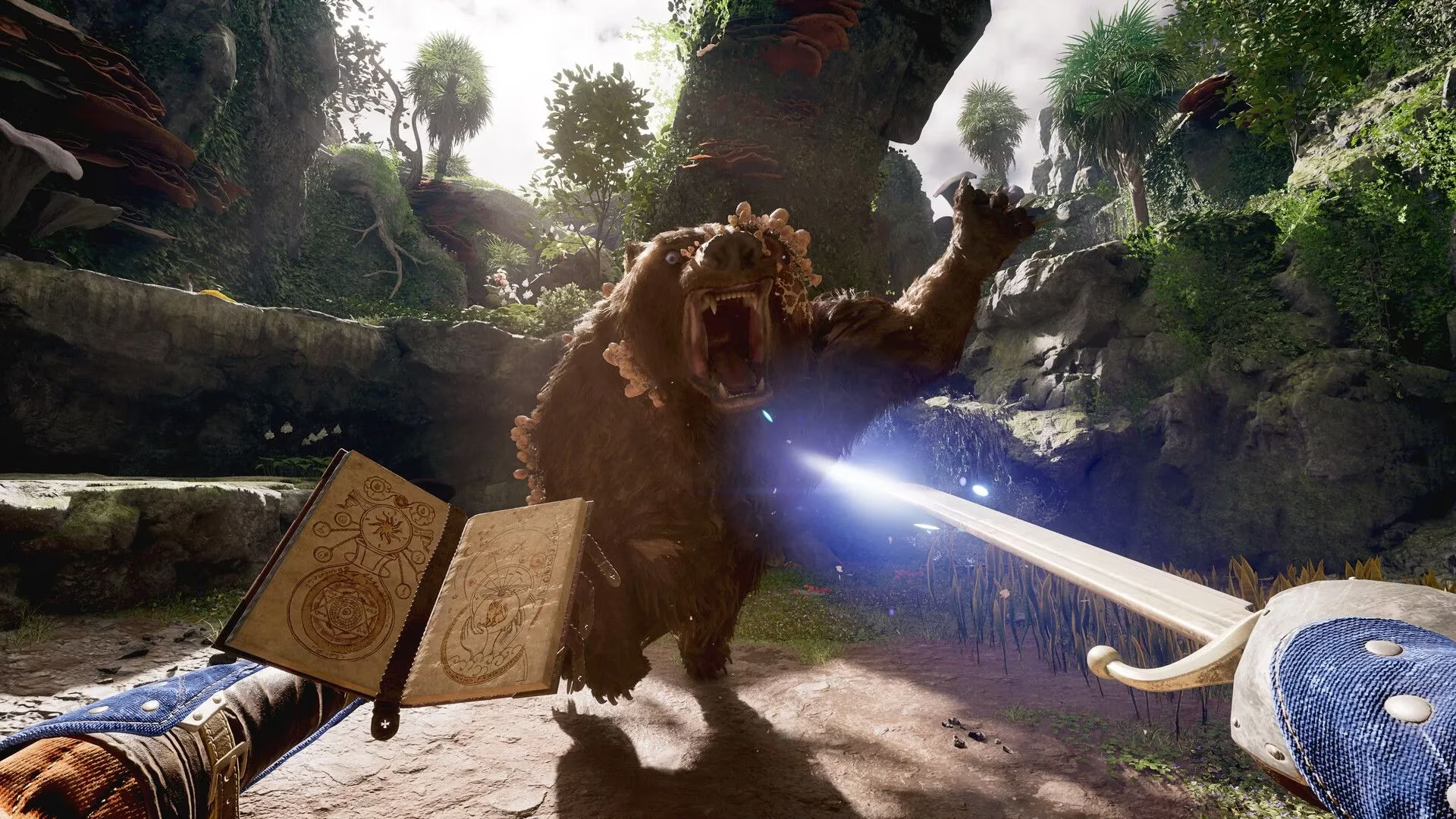
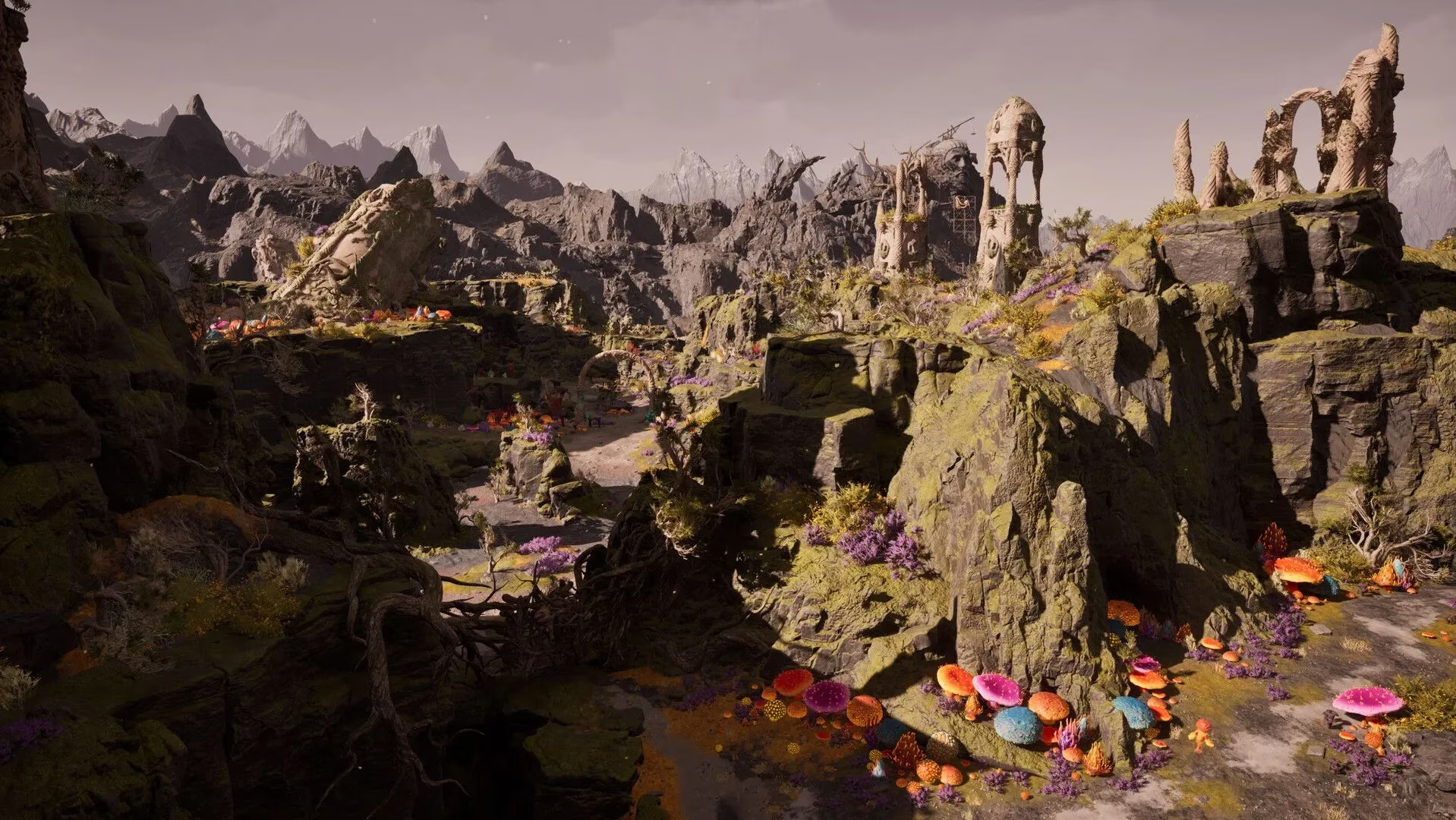
Here is a glimpse into the vibrant and dangerous world that the team at Obsidian built through their perseverance.

Key Takeaways from Avowed's Journey:
| Development Phase | Key Challenge | Creative Solution | Outcome |
|---|---|---|---|
| Initial Pitch (2018) | Overly ambitious scope (Open World + Multiplayer) | First reboot | Project remained unstable |
| Second Reboot (2021) | Lack of clear direction & identity | Leadership change to Carrie Patel | Focus shifted to narrative & Pillars lore |
| Final Design | Avoiding feature bloat | Adopted separate open zones | More focused, detailed environments praised by critics |
In the end, Avowed emerged not as the game it was first conceived to be, but as the game it needed to become. Its story is a powerful reminder that in game development, the path to success is often paved with difficult decisions, courageous pivots, and an unwavering commitment to the final experience in the player's hands. 🎮✨
Comments