 AvowedRealm
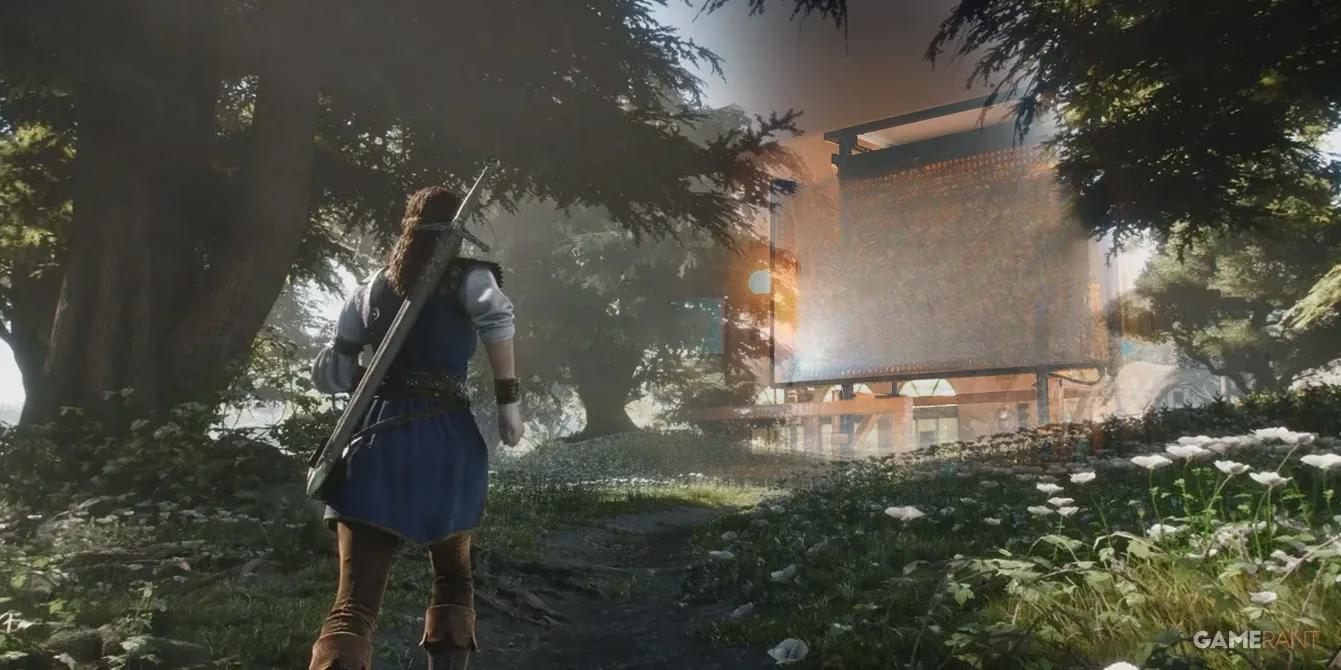
The world of Albion holds its breath, a kingdom suspended in a long, slow exhale. For the devoted followers of the Fable saga, the wait has been a tapestry woven with equal parts anticipation and quiet patience. The announcement of a delay, pushing the reboot’s arrival into 2026, wasn't a closing curtain but a gentle, strategic retreat into the wings. Sometimes, a hero needs to wait for the right moment to make their grand entrance, and this sprawling fantasy realm, nurtured first by Lionhead Studios and now entrusted to the architects of Forza Horizon at Playground Games, seems to be doing just that. It’s like they’re saying, "Hold your horses, the magic needs a little more time to simmer." A minute of pre-alpha footage serves as a whispered promise, a glimpse of sunlight through ancient oaks, assuring fans that the heart of this beloved world still beats strongly, even if its grand return requires one more turn of the calendar.
The Legacy That Refuses to Fade
The original trilogy, born on the Xbox and Xbox 360, wasn't just a series of games; it was a formative experience. It carved its name not with sheer graphical might, but with a soulful blend of subversive British humor, morally grey choices that shaped the world, and a charming, often cheeky, approach to high fantasy. Players remember not just slaying balverines, but the consequences of stealing a pie or the way their hero's appearance changed with their alignment. This legacy is a heavy crown for the reboot to wear, but also its greatest strength. The hope isn't for a mere replication, but a renaissance—a return to that unique spirit where epic quests could sit comfortably beside a game of pub games. The development road has been, by all accounts, a winding one, but the loyalty of the fandom proves the core idea remains potent: a world that reacts to you, for better or worse.
Dodging a Fantasy Avalanche: Why 2026 is the Right Play
Let's be real for a second—2025 was shaping up to be an absolute monster for fantasy RPG fans. Trying to launch Fable then would have been like bringing a brilliantly sharp wit to a dragon-sized bar brawl. The schedule was packed:
| 2025 Fantasy RPG Lineup | Developer/Publisher | The Challenge for Fable |
|---|---|---|
| Avowed | Obsidian Entertainment | Already released, claiming the 'Xbox fantasy RPG' spotlight early. |
| The Elder Scrolls IV: Oblivion Remake (Rumored) | Bethesda | Competing with a titan of the genre, even in remade form. |
| Kingdom Come: Deliverance 2 | Warhorse Studios | Capturing the hardcore medieval simulation crowd. |
| Clair Obscur: Expedition 33 | Sandfall Interactive | A fresh, stylized contender with strong platform backing. |
| Dragon Quest I & II HD-2D Remake | Square Enix | A nostalgia play for a legendary JRPG audience. |
| Grand Theft Auto VI | Rockstar Games | The sheer cultural tsunami, diverting all attention. |
Throw in the potential launch of new hardware and Summer Game Fest surprises, and the air was simply too thick with competition. Fable’s charm isn't in brute force; it's in its personality, its wit, its allowance for player-driven stories. That’s the kind of experience that needs room to breathe, to be savored, not consumed in a rush between other blockbusters. The delay, while bittersweet, is a strategic move to find that breathing room.
The Silver Lining of an Open Field
So, what does 2026 look like? From this vantage point, it appears far more serene. The relentless march of fantasy titans has moved through 2025. Key competitors and industry events that would have split attention have passed. This creates a golden opportunity:
-
A Clear Stage: With no new Witcher title on the immediate horizon and first-party slates from major platforms looking less crowded, Fable has the chance to be the headline act, not one act among many.
-
A Focused Spotlight: Media and player attention won't be fractured across a dozen major releases. Fable can command the conversation, allowing its unique selling points—its humor, choice, and revitalized Albion—to shine without being drowned out.
-
Time to Polish: For Playground Games, this is more than just avoiding competition. It's precious, invaluable time. Time to refine the gameplay, deepen the world reactivity, and ensure the humor lands perfectly. It's the difference between a good meal and a great feast.
The Heart of the Fable
At its core, a Fable is a story with a lesson. The story of this reboot’s development seems to be teaching a lesson in patience and positioning. It’s a reminder that in the relentless churn of game releases, sometimes the bravest move is to step back, to wait for the noise to settle. The ingredients for something special are all here: a beloved IP, a talented developer known for vibrant open worlds, and a fanbase whose hope has been tempered but not broken by the long wait. The stage is being reset, the audience is leaning in, and in 2026, Albion might just get the triumphant, thoughtful return it deserves—a return where every choice, every joke, and every heroic (or dastardly) deed can be appreciated in its own splendid space.
As detailed in The Verge - Gaming, release-window strategy can matter as much as raw hype, and the shift of Fable into 2026 reads like a deliberate move to avoid getting lost in a crowded 2025 slate while giving Playground Games more runway to polish tone, systems, and world reactivity—key pillars for a reboot that must recapture Albion’s signature humor and consequence-driven identity.
Comments