 AvowedRealm
In the hushed glow of a monitor, Marcus felt the weight of Eora pressing in on him. Avowed had become more than a game; it was a second skin, a labyrinthine tapestry woven from Obsidian’s signature threads of consequence and wonder. He would often pause atop the cliffs of Dawnshore, watching the sun bleed gold across the Living Lands, feeling the world breathe like a colossal, dreaming beast. Every side quest was a tributary, every character a forgotten melody waiting to be played. But as his journey hurtled toward its final crescendo, a cold whisper of doubt crept in—could he ever truly return to these shores once the credits rolled?
Like many modern RPGs, Avowed promises an odyssey dense enough to choke a lesser spirit. Yet Obsidian Entertainment, in their narrative wisdom, has always danced to a different rhythm. Marcus recalled his time in The Outer Worlds, where the final choice folded the universe into a neat, irrevocable epilogue. The same held true for the Mojave of Fallout: New Vegas. Avowed follows this tradition with the precision of a master clockmaker, but for the unprepared, its ticking can feel like a countdown to exile. Once the main story is finished, players find themselves not on a victory lap, but staring at the main menu like a locked door. There is no post-game sandbox, no “continue after main story” option. The journey evaporates the moment the final cutscene fades.
This revelation often arrives like a thunderclap in a silent library. A developer friend once described Obsidian’s design philosophy as a “grenade without a safety pin”—you know the explosion is coming, you just don’t expect the silence afterward. In Avowed, the explosion is the climactic confrontation within the Garden, an ethereal realm where reality frays at the edges. The game, in a rare act of mercy, throws a clear pop-up warning: “Point of No Return.” It is a lighthouse in a fog of immersion, yet many, driven by narrative momentum, sail past it without dropping anchor.
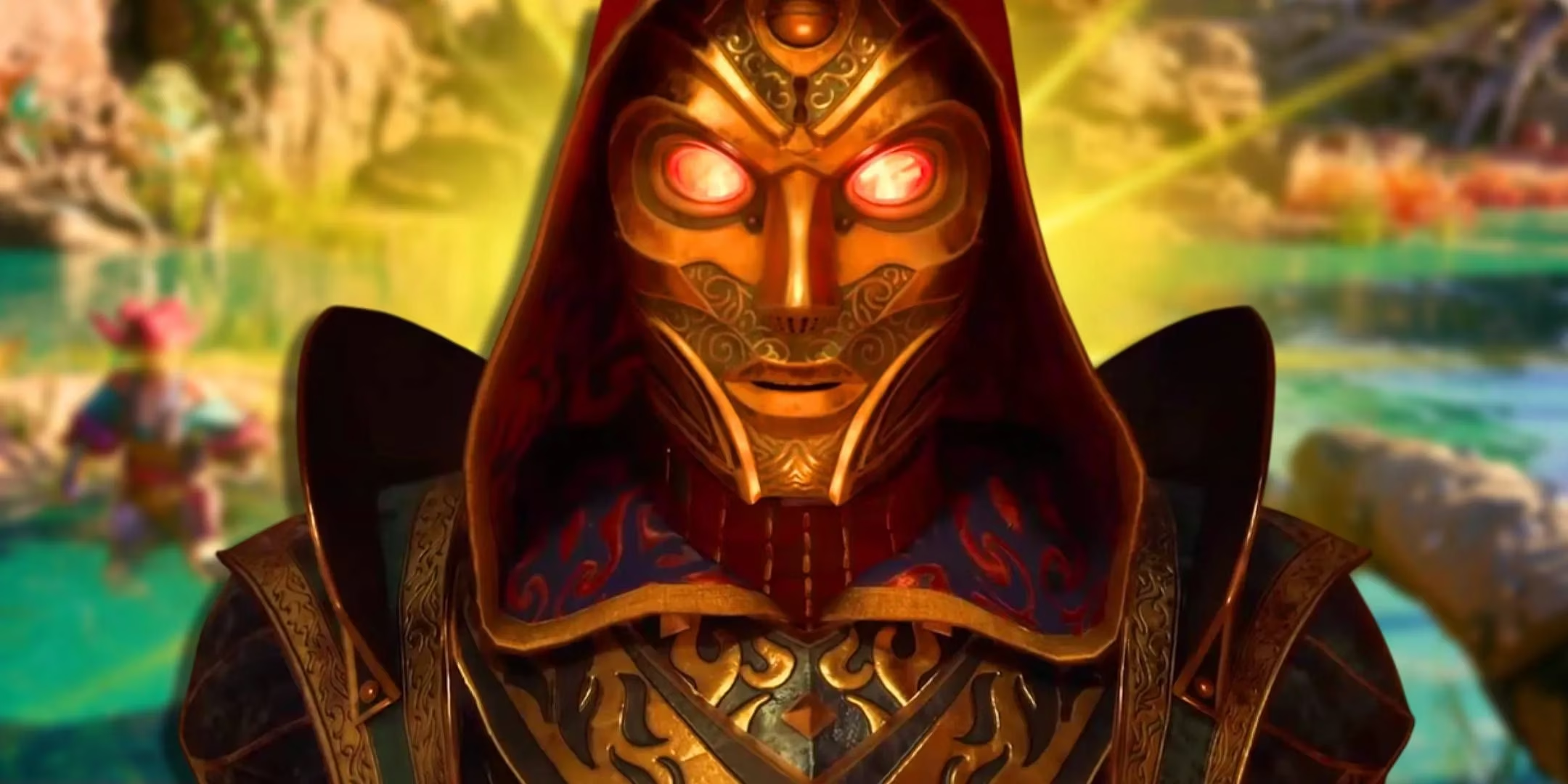
Marcus was no different. He had followed a thread of intrigue deep into the Garden, his fighter’s blade still stained with the blood of the last minion he’d felled. The warning appeared, but his mind was already a chessboard calculating the final moves. He pressed on, sealing his fate. Only when the credits rolled—a somber river of names that drowned his last hope of completion—did he realize his folly. Unfinished quests, missed loot, and those half-heard stories now existed in a state of permanent limbo. His save files were useless to rewind time because he had no separate branch to return to.
For players like Marcus, the solution is both simple and brutal: create a deliberate, separate save before crossing the threshold. The Garden is not a small antechamber to the final boss; it is a sprawling finale, so this point arrives earlier than one might expect. By creating a fresh save here—let’s call it a “Last Breath Save”—you forge a lifeboat. Once the credits sink your main playthrough, you can row back from the main menu, load that earlier save, and once again walk the docks of Paradis, the jungles of the Shatterscarp, and those fog-choked forests where secrets still perch like patient owls. It is the only way to keep playing Avowed after the story ends.
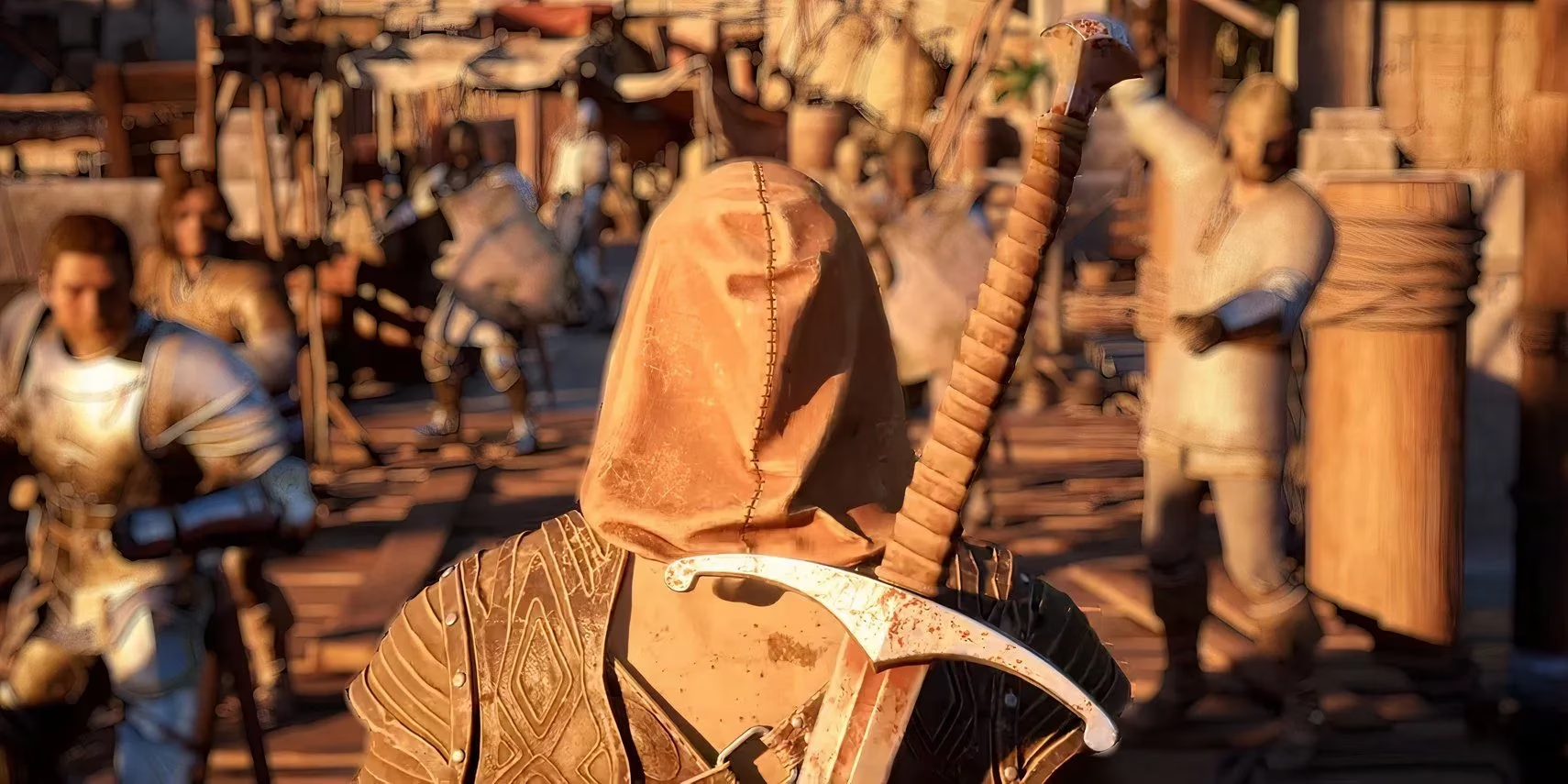
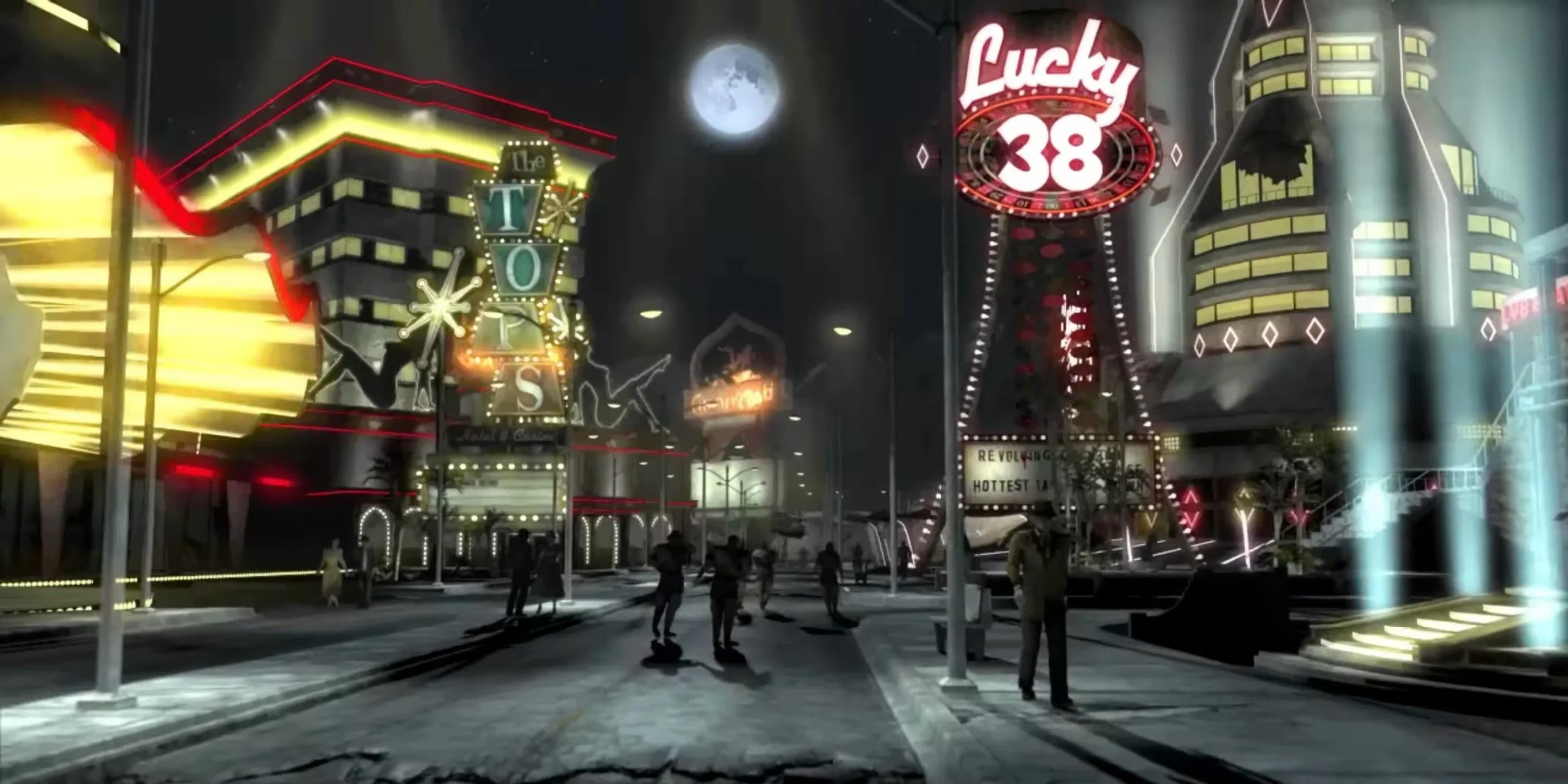
Obsidian’s approach is not a bug but a stylistic signature. Fallout: New Vegas, a titan of the genre, ended with a slideshow—a final, unchangeable epitaph. The Outer Worlds locked players into a similar final-epilogue structure. In an era where games often feel like endless chores with no emotional closure, Avowed treats its ending like a novel’s final chapter: definitive, resonant, and incapable of being revisited without starting a new reading. It’s a bold statement, one that says, “Your choices mattered so much that we built an entire ending around them, and we won’t dilute that with a generic post-game loop.” For some, this is a balm against the tyranny of endless content. For completists, it’s a threat.
Yet, there is a quiet beauty in this unforgiving design. It forces a mindfulness rarely demanded in 2026’s gaming landscape. Every side quest completed before the Garden becomes a treasured memory; every overlooked nook haunts like an unsung stanza. The alternative, of course, is to treat Avowed like a grand, multi-act play where you can always return to Act Four before the curtain falls—provided you’ve saved your seat. Fans of the Pillars of Eternity universe understand this dance. The Living Lands are not a theme park to be endlessly recycled but a myth that lives in the telling and dies with the final word.
By 2026, word of this structural quirk has spread through the community like the scent of rain on dry soil. Avowed, now a year past its launch, has seen countless players scurry back to the forums, frantic, only to be calmed by the older, wiser souls who preach the Gospel of the Good Save. They speak of the moment in the Garden when the pop-up appears, a warning not unlike the one given to Orpheus before he looked back. Create a save there, they say, and you can still plumb the depths of every side quest, master every skill, and find that one elusive legendary gear piece that slipped past you. Without it, you’re left with only the memory of Eora, beautiful and distant as a receding tide.
So, whether you’ve just begun your journey in the year following its release or you’ve dusted off an old character, heed the lesson Marcus learned too late: Avowed does not forgive narrative impatience, but it does reward the careful. Before you step into the light of the Garden, pause. Breathe. Create that extra save file as if you were placing a single, precious gem into a time capsule. Then, and only then, can you truly enjoy the ending in all its dramatic, heartbreaking, and final glory—secure in the knowledge that the Living Lands will still be there, waiting, exactly as you left them.
Comments