 AvowedRealm
I have a soft spot for the kind of RPG that makes me feel like I am signing a contract with every conversation. Avowed, Obsidian Entertainment's fantasy RPG set in the Pillars of Eternity universe, is exactly that kind of game. Now that we are in 2026 and Avowed has had time to settle into the conversation after its 2025 launch, I find myself returning to the same question: not whether Avowed has multiple endings, but what kind of endings it wants to be remembered for. The answer, I think, is written in Obsidian's DNA.
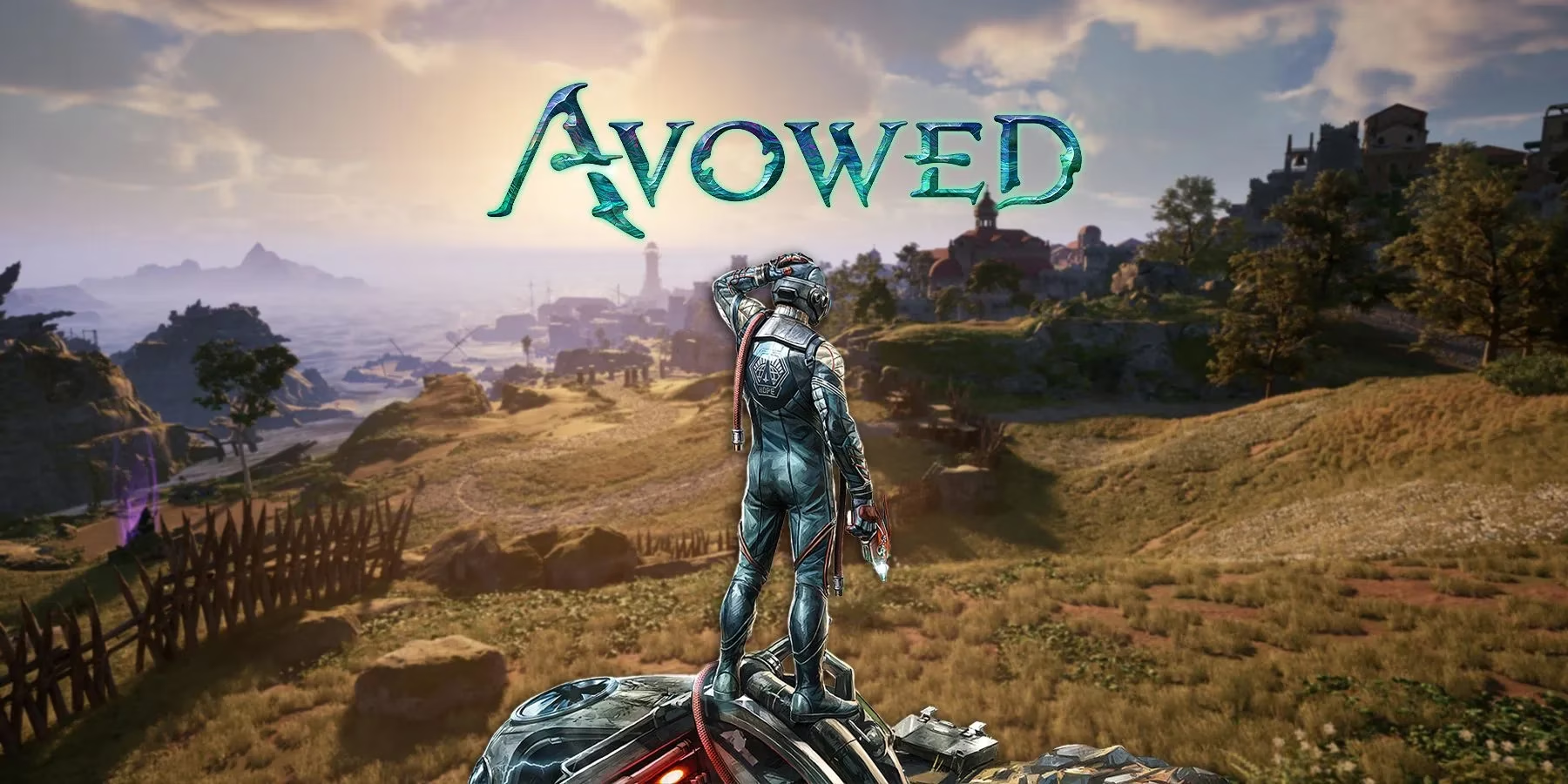
Obsidian's Fingerprints Are the Point
From The Outer Worlds to Pillars of Eternity, Obsidian has built a reputation for RPGs that treat choice as a material, not a decoration. Avowed carries that reputation into a first-person fantasy setting, and the studio's pre-release confirmation that the game would feature multiple endings felt less like a surprise and more like a promise being kept. Game director Carrie Patel reportedly answered the multiple-endings question by pointing out that Avowed is an Obsidian game, after all. That line sticks with me because it captures the studio's identity in a sentence.
A choice-driven RPG is less like a train switching tracks and more like a garden where every hedge you trim changes the shade on the path. Avowed's companions, combat, and quest structure all seem designed to keep the player aware that decisions have weight. That does not mean every choice needs to announce its consequences with a trumpet. Sometimes the best role-playing games let a decision sit quietly until the final act, when it stands up and introduces itself.
The Outer Worlds as a Rosetta Stone
The Outer Worlds is useful here because it gives me a template for how Obsidian tends to think about endings. Its three main outcomes are not just different final screens; they are different arguments about who the player became.
| Ending | Trigger | What it says about the player |
|---|---|---|
| Good ending | Side with Dr. Phineas Welles and refuse to turn him in | The player bets on freedom, even when the colony's future is messy |
| Bad ending | Turn Welles in and side with the Board | The player chooses order, but the cost falls on Halcyon's people |
| Secret ending | Have a low enough Intelligence score and pilot the Hope into the sun | The player finds the funniest and fastest exit in the game |
That secret ending is pure Obsidian. A secret ending is a trapdoor painted like ceiling plaster: you only find it if you are the sort of person who looks up at the wrong moment. In The Outer Worlds, the low-Intelligence path turns a cosmic decision into a punchline, and it works because the game has already established a tone that can absorb absurdity without breaking.
What I Expect From Avowed's Endings
Because Avowed is an Obsidian game, I expect at least one ending that feels broadly hopeful and one that feels like a warning. I also expect the game to resist labeling those endings too cleanly. Obsidian's endings are like receipts from a long argument: they do not just tell you who won; they itemize what you were willing to pay.
Here is what I would look for in Avowed's ending structure:
-
⚖️ A moral fork that is visible but not simplistic. The good and bad endings should feel discernible without being childish. A player should be able to argue for either path.
-
🧠 A secret ending with a strange prerequisite. The Outer Worlds tied its secret ending to a stat. Avowed could do something similar, or it could hide its strangest outcome behind a companion choice, a hidden quest, or a moment of curiosity.
-
🎭 Companion consequences. Obsidian's companions are not furniture. If Avowed's endings ignore who stood beside the player, I will be disappointed.
-
🚪 More than two doors. The studio has confirmed multiple endings, and I hope that means more than a simple binary. Three or more outcomes would give the final act room to breathe.
I do not need every ending to be a moral verdict. What I want is for the ending to feel like the last line of a story I have been co-writing. If Avowed gives me that, it will have done the thing Obsidian does best.
Choice as a Living Organism
In 2026, the conversation around choice in RPGs is louder than ever. Players have become fluent in the language of branching paths, and they notice when a game's choices are only skin-deep. Avowed's multiple endings matter because they signal that the game is willing to let the player's version of the Living Lands diverge from someone else's. That is not just a feature to check off a list. It is a statement about what kind of RPG Avowed wants to be.
I will keep the exact permutations vague to avoid spoiling the experience for anyone still playing through it, but the design philosophy is clear enough. Avowed inherits Obsidian's habit of making the final act a mirror. The good ending reflects what the player hoped to build. The bad ending reflects what the player was willing to sacrifice. The secret ending, if there is one, reflects the player's willingness to poke at the edges of the world.
That is why I keep coming back to Avowed. It is not just another fantasy RPG with a glowing skill tree and a map full of icons. It is an Obsidian game, and in an Obsidian game, the ending is rarely just an ending. It is the moment the game hands back everything you said and did, and asks you to recognize the person holding the controller.
Comments